A PUZZLE THAT NEVER ENDS.
The way of looking at the world doesn’t change.
The domains do.
As a kid, doing puzzles was the best thing there was. Taking scattered pieces and finding where they fit until the whole makes sense.
That way of looking wasn’t learned at a university or discovered at thirty. It was there from the start. The only thing that changed over the years was the kind of puzzle: from cardboard pieces to entire domains with information trapped in formats no one could query.
Today the work is exactly that — taking pieces no one has connected and finding where each one fits until the whole makes sense.
-
The puzzle
Before the code, before the platforms, before the databases — there was a kid assembling puzzles on a table. Looking for where each piece fits until the whole made sense. The tool changed. The way of looking at the world didn’t.
-
The first broken domain
In Venezuela, 70 years of intellectual-property records lived only in PDFs. Official IP bulletins since 1953 — shifting formats, degraded characters, information no one could search. Vindex.PI was born there: turning 70 trapped years into a database that actually answers.
-
Territorial scale
5,570 Brazilian municipalities. 104+ environmental variables across sources never designed to talk to each other. TerraRisk joins that fragmentation into a unified territorial-risk score — a metric that existed in no format before.
-
The invisible chain
The coffee supply chain has an invisible problem: grower, trader and roaster operate in silos. TerraBioCredits builds the intelligence layer that connects pollination, biodiversity and traceability data — turning the scattered into verifiable biodiversity credits.
-
The method
Three different domains, one logic: find trapped information, design how to connect it, build until it flows. Not a collection of projects — the same way of looking, applied at different scales.
Disordered information has a cost.
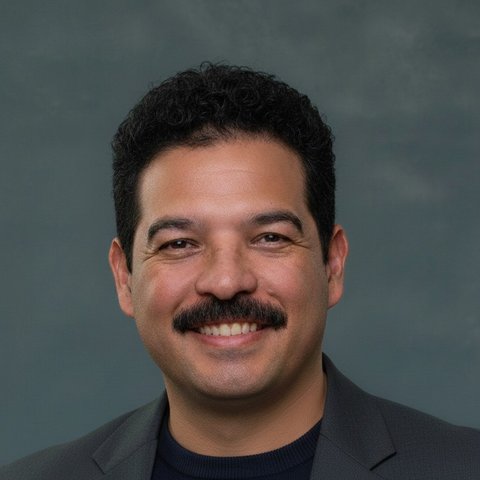
ARLEX PERALTA — INTELLIGENCE SYSTEMS
Organizing it creates value.